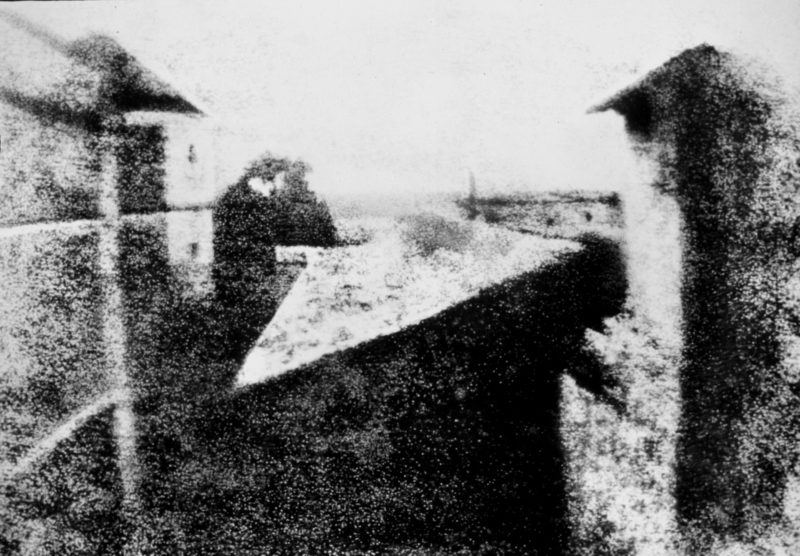
Architectural photography is as old as photography itself. The oldest surviving photograph was produced by Nicéphore Niépce in 1826. His photo of a “View from the Window at Le Gras,” was a photograph of buildings outside his window.
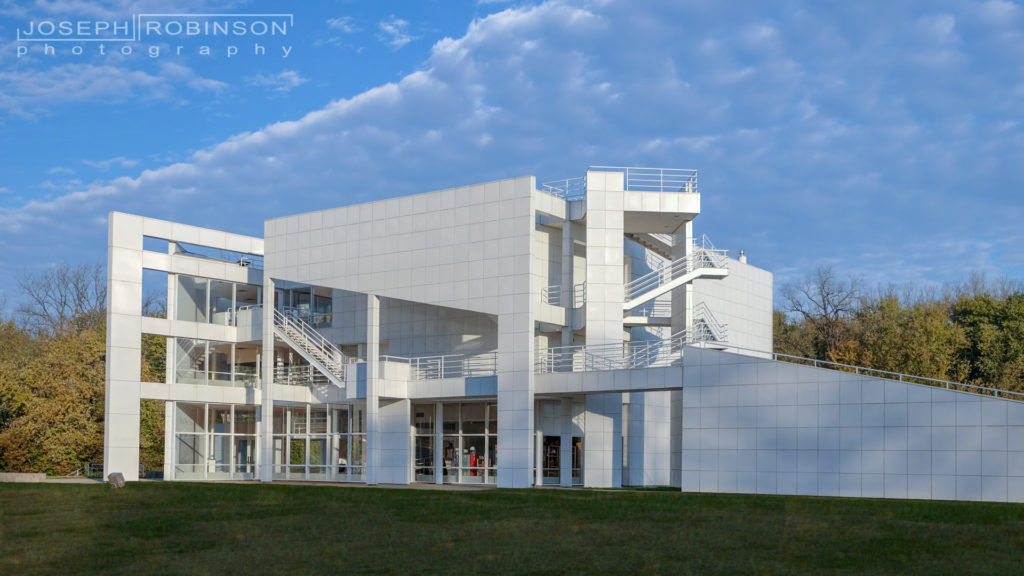
Modern architect, Richard Meier once said “The plan, which seems to have been neglected of late, is in fact the key. The two-dimensional image contains within it the instructions for the three-dimensional object that is the building. Together with the section, it generates the building.”
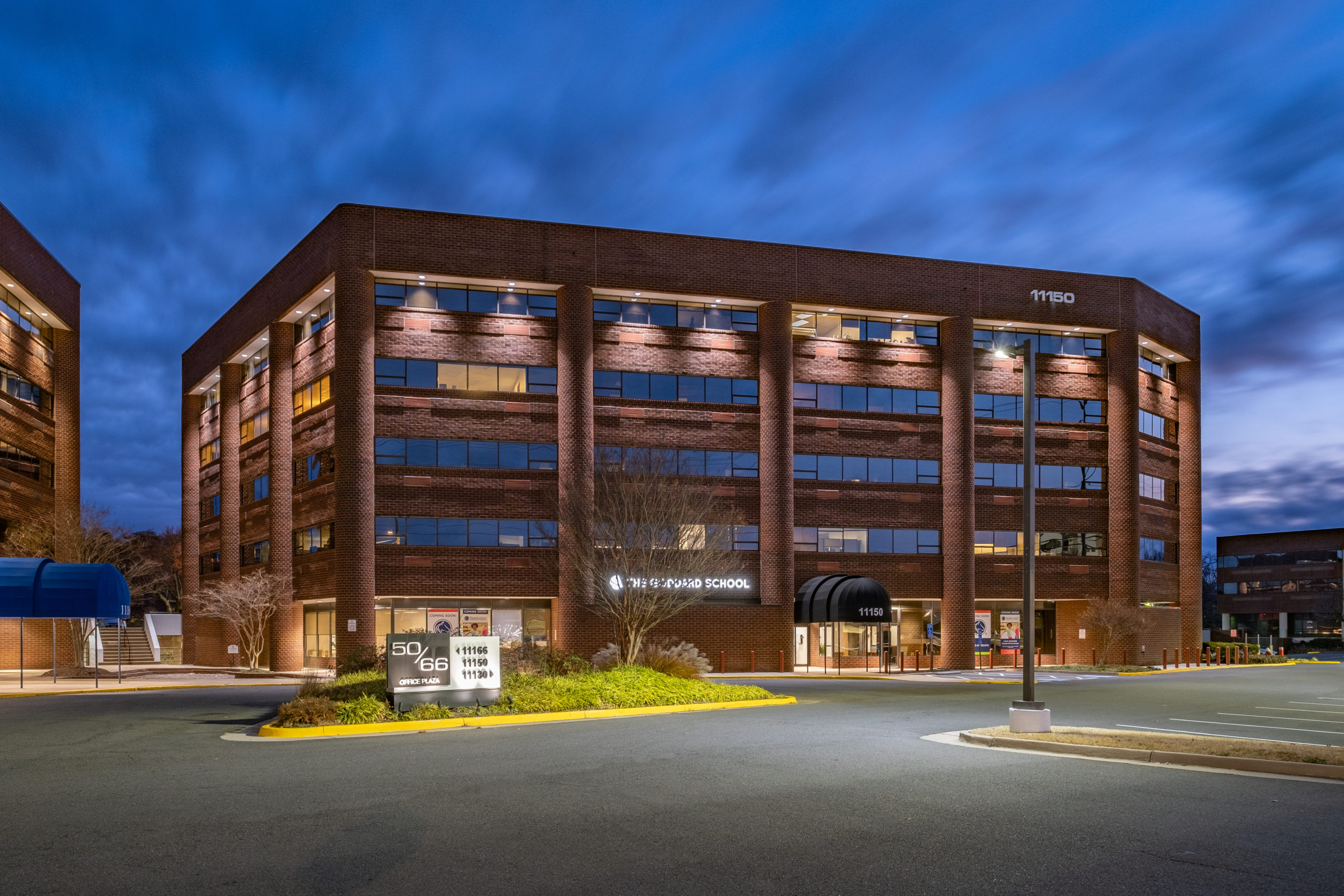
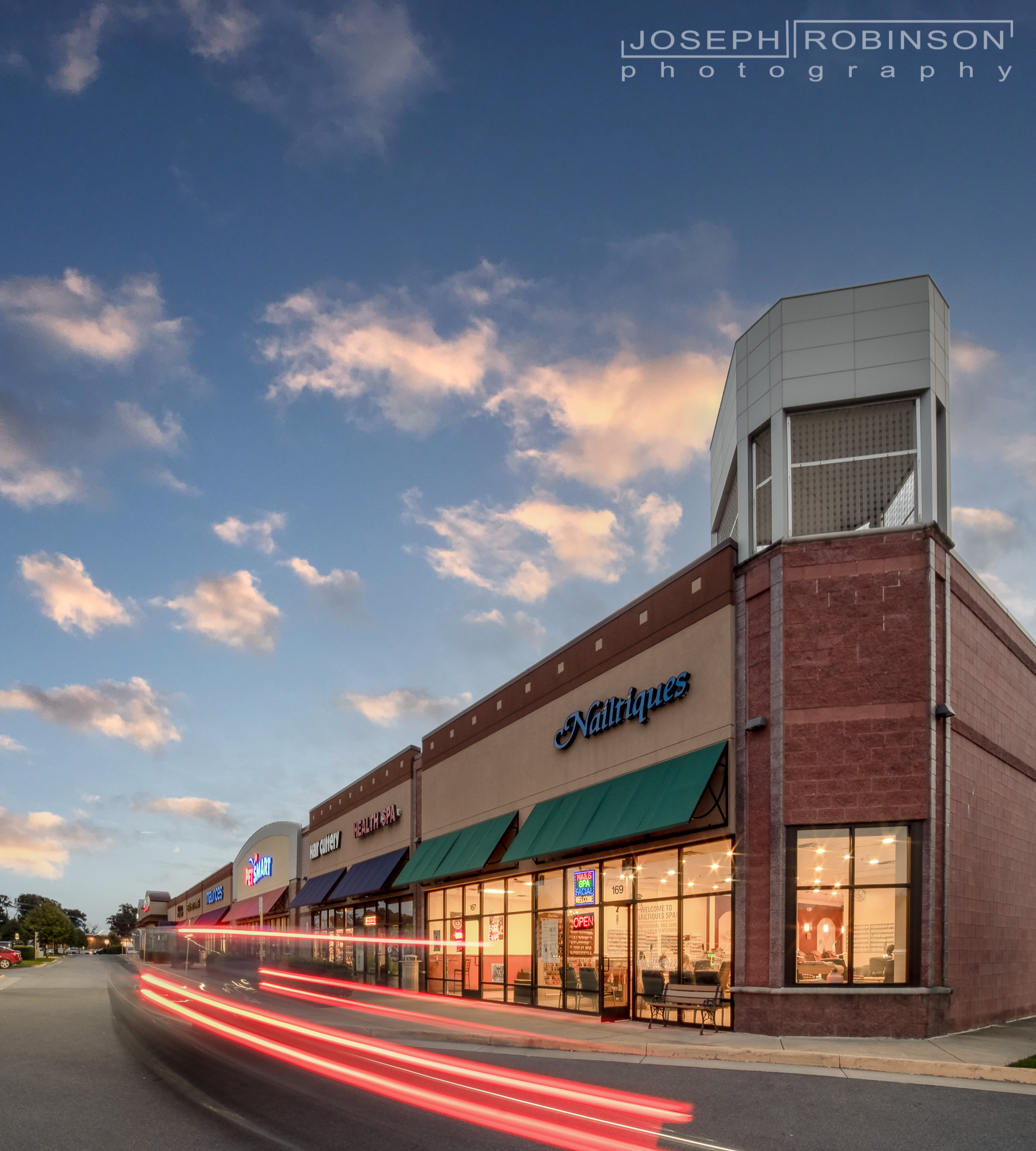
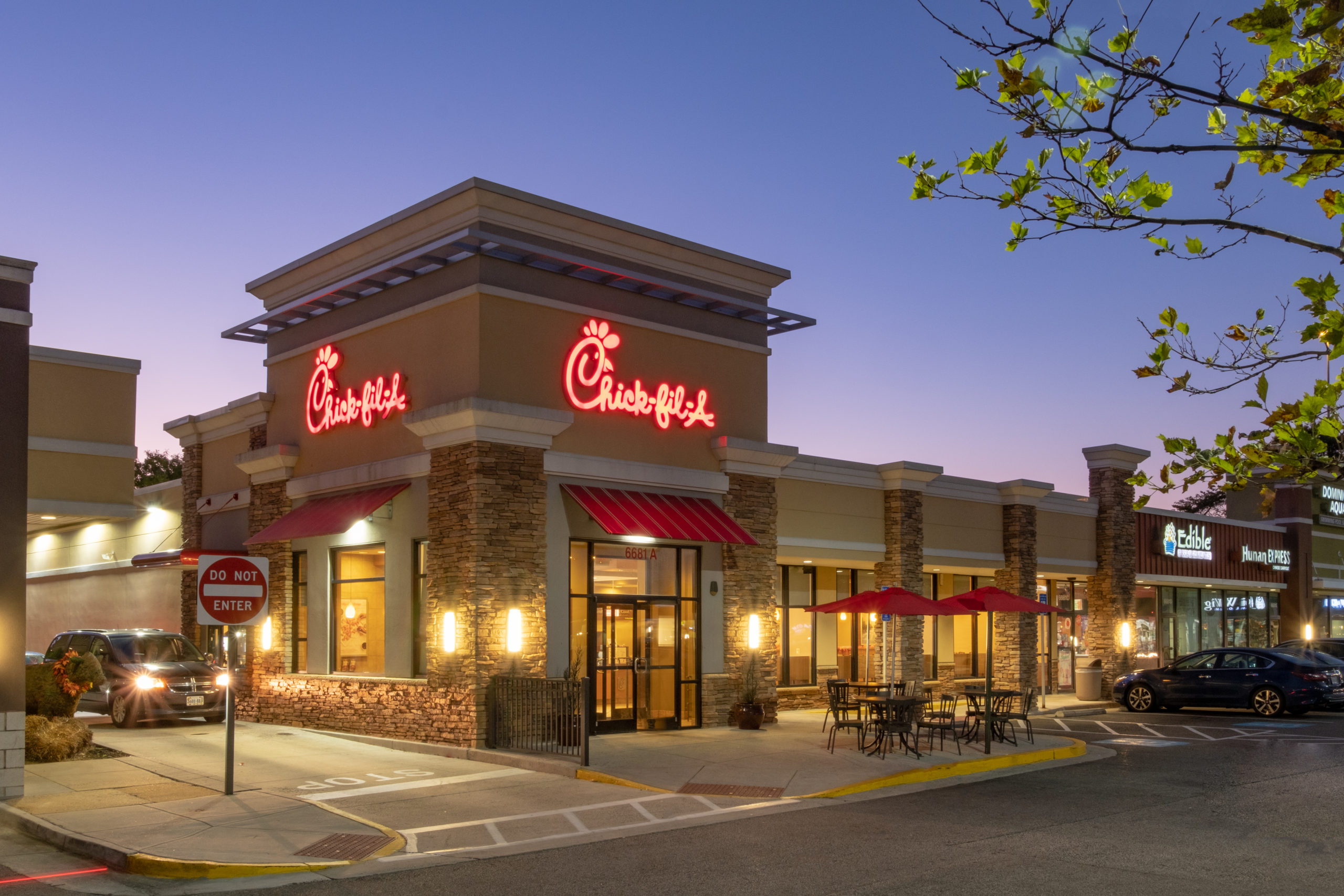
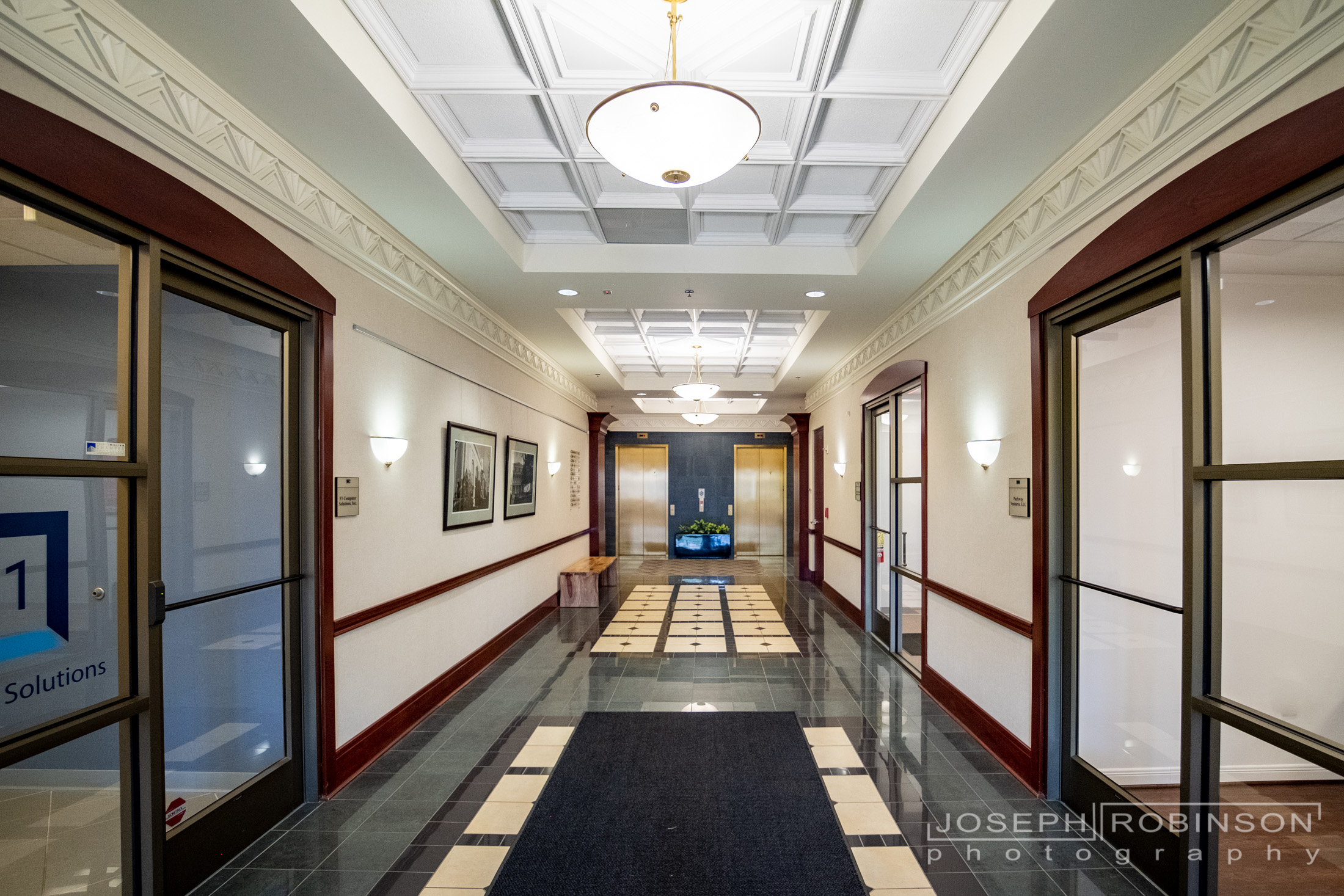
Over my 35 year career as an architect I developed the skill of translating three dimensional ideas into two dimensional representations in the form of sketches, floor plans, elevations, etc. Architectural photography attempts to capture the three dimensional reality in to the two dimensions of a photograph. Many of the same principles of architectural composition are also applicable to photographic composition, such as rhythm, hierarchy, depth, and negative space.
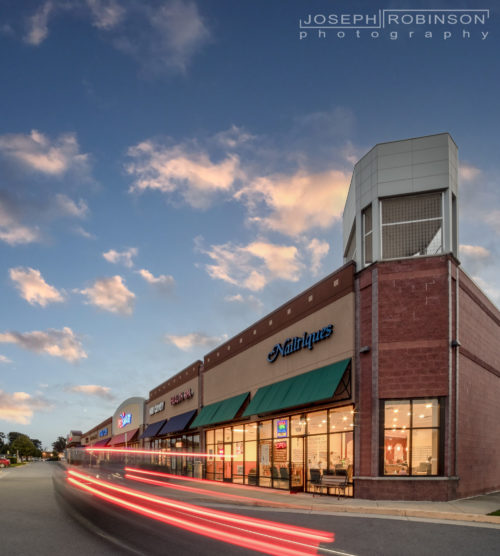
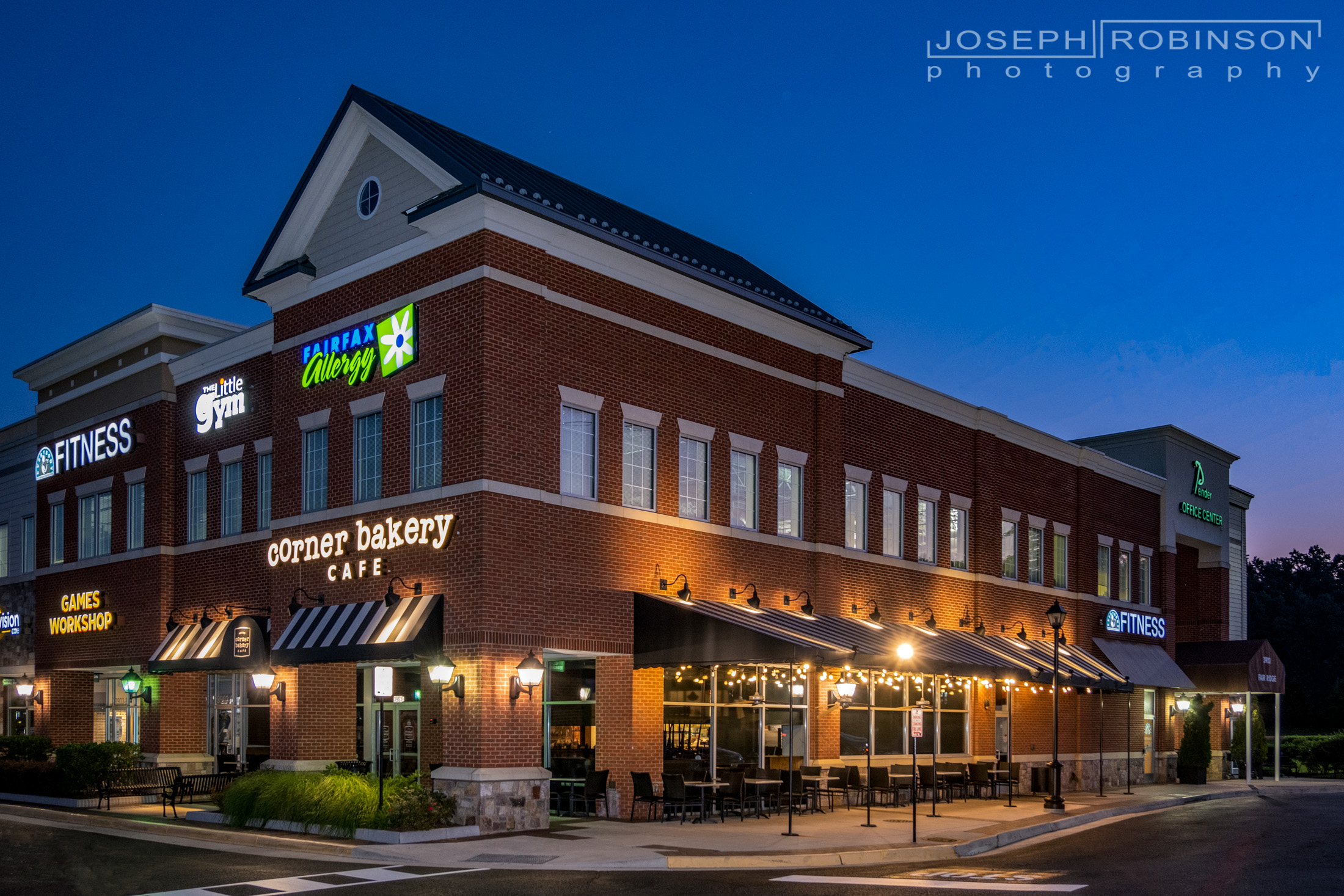
One of the privileges of being an architect turned photographer is that I occasionally have the opportunity to photograph a project that I helped design. Rutherford Crossing Shopping Center, in Winchester, VA, is one example. In cases like these, I took the 3 dimensional conceptual thought, produced the 2 dimensional description in the form of plans, elevations and details, assisted in it’s becoming a built reality (3D), and finally photographed it to present it as a 2 dimensional image.